 0118 228 0888

What Is Resin Flooring and Why It’s Perfect for Your Floors
14 April 2026
Anyone who has spent time inside a working food factory knows the floor is far more than something you walk on. It’s where spills land, heavy loads get dragged, cleaning crews work through the early hours and hygiene auditors cast their most critical eye. A floor that can’t keep up doesn’t just create a maintenance headache, it puts your whole operation at risk.
We started Oakley Food Projects because we understood what food manufacturing environments actually demand. Over the years, one thing has consistently stood out above everything else for facilities that need to perform day in, day out: resin flooring.
Understanding Resin
What is resin? Resin flooring is a two-part synthetic material: a resin combined with a hardener that undergoes a chemical reaction when mixed. That reaction creates a hard, durable surface that bonds directly to the concrete beneath, forming a finish with no gaps or places for bacteria to hide.
In food manufacturing, that matters immensely. The applications for resins extend into adhesives, coatings and industrial uses of all types, but as a flooring in a food factory, that’s where it really does its best work. It’s tough to handle the daily grind, clean enough to meet strict food standards and durable enough to justify the investment.
Why Resin Flooring Is Perfect for Food Factories?
Food manufacturing environments place demands on flooring that most other industries simply don’t. Between the machinery weights, the moisture, the chemical cleaning routines and the hygiene standards required for compliance, an ordinary floor doesn’t stand much of a chance. Resin floorings were designed with exactly these conditions in mind.
Durability That Matches the Environment
Round-the-clock operations mean floors never get a rest. Resin handles constant impact, heavy load-bearing and the vibration that comes with industrial equipment running for extended hours. Unlike concrete, which can pit and crack over time, resin maintains its integrity.
Hygiene Without the Hidden Risks
Grout lines, joints and surface cracks are hygiene risks in food production. Bacteria doesn’t need much space to establish themselves and once they do, it is very difficult to remove. Resin flooring eliminates this risk by providing a continuous, unbroken surface with nothing to hold contamination. Furthermore, a resin system can incorporate an anti-microbial additive which is 99.9% effective and specifically kills listeria.
Chemicals Don’t Bother It
The substances used to keep food factories compliant, like caustic cleaners, degreasers and disinfectants are aggressive. Resin stands up to them without degrading, staining or becoming structurally compromised. Your floor stays functional and presentable regardless of what it’s exposed to.
Built-in Safety features
Slip resistance isn’t an afterthought with resin flooring; it’s part of the specification. Anti-slip aggregates can be incorporated at installation, creating a surface that maintains traction in the wet and greasy conditions food factories routinely encounter.
Long-term Value Over Short-Term Savings
Cheaper flooring options tend to reveal their true cost within a few years through repairs, downtime and eventual replacement. Resin flooring requires minimal maintenance, resists damage that drives up repair costs and lasts considerably longer than alternatives. For most facilities, the total cost over a decade tells a very different story from the initial quote.
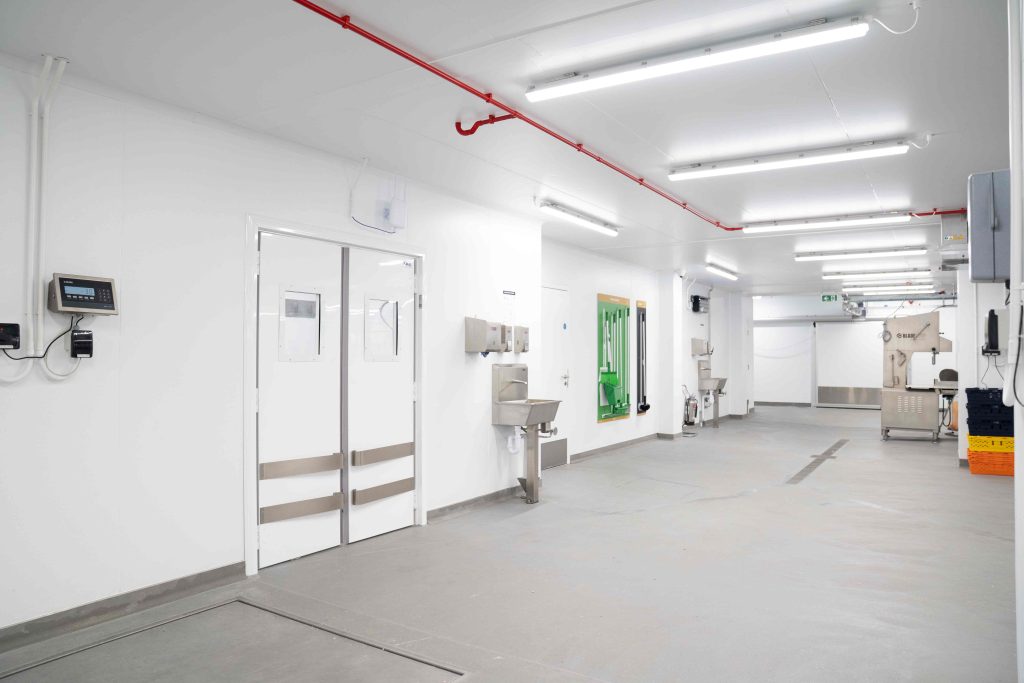
Comparing Resin Flooring to Other Options
Here is a table comparison between resin flooring and other popular options:
| Flooring Type | Pros | Cons | Best Use Case |
| Resin | Durable, seamless, hygienic, chemical-resistant | Requires professional installation | Food factories, warehouses |
| Concrete | Affordable, strong base | Porous, prone to cracks, hard to clean | General industrial use |
| Tiles | Easy to replace, decorative options | Grout lines trap dirt, less durable | Small kitchens, decorative areas |
| Vinyl | Quick installation, softer underfoot | Less durable, not ideal for heavy loads | Offices, light-duty areas |
Resin flooring clearly stands out for food manufacturing environments where hygiene and durability are essential.
Installation Process: What to Expect
Resin floor installation involves several steps:
- Surface Preparation: Concrete is cleaned, repaired and sometimes ground to ensure proper adhesion.
- Primer Application: A primer layer is applied to bond the resin to the concrete.
- Resin screed: The resin and hardener mixture is applied, spreading evenly across the surface.
- Optional Additives: Anti-microbial additives. These are non-perishable and placed throughout the thickness of the screed.
- Curing: The floor is left to cure, forming a seamless and durable surface.
At Oakley Food Projects, we manage this process end-to-end while ensuring minimal disruption to your operations.
Why Do Food Businesses Choose Resin Flooring?
Here are some reasons for why particularly food businesses choose resin flooring:
- Compliance with food safety standards: Seamless surfaces reduce contamination risks.
- Improved workflow: Sealed surfaces improve cleanability and reduce the frequency of washdowns.
- Professional appearance: Bold, consistent colours can be used to demark areas of the production environment and generally enhance the appearance.
- Future-proof investment: Long lifespan reduces the need for frequent renovations.
When planning new facilities, integrating resin flooring from the start as part of your factory design ensures optimal drainage, hygiene zones and workflow efficiency.
Final Thoughts
Every food manufacturing facility we’ve worked on has had its own challenges, including different layouts, production requirements, working environments, budgets and timelines. But one thing stays consistent in all of them: the facilities that perform best over time rely on quality flooring.
Resin flooring isn’t a trend or a premium upgrade for its own sake. It’s a choice made by people who understand what food manufacturing environments actually demand and don’t want to revisit the same problems every few years.
That’s the thinking behind everything we do at Oakley Food Projects. We’ve spent years helping food businesses expand, renovate and future-proof their facilities. We know that the value we provide isn’t just in the quality of the work; it’s in removing the complexity and stress that these projects can bring. From the first conversation about design to a complete resin floor installation, we handle it all.
If you want to learn more about resin floors, you can click here!
Frequently Asked Questions
Related Content
What is a Turnkey Project? Understanding Turnkey Solutions for Your Next Food Factory Fit-Out Project
Thinking of launching or expanding your food manufacturing business? You know funding is tough and getting approvals is challenging. What often catches people off guard is managing the entire setup, from concept design and planning through detailed design to construction and fit-out. That’s why Oakley Food Projects exists to manage every complex element of your project so you can focus on your business.
What does the construction phase of a turnkey project look like?
If you are confident in our turnkey approach and happy with the design, we can then proceed with the building and fitting out of your new food factory according to the detailed design. This enables you to completely step back from the project, allowing you to focus on running and growing your business, knowing it’s in safe hands.
The importance of aligning food certification requirements when planning and designing the build of a new factory facility
If you don’t think turnkey is the correct route for your upcoming expansion project, you will need to bear in mind who will take on the role of principal designer and contractor. This is an important factor as this will expose you to risk including ensuring your new factory facility is built to the requirements of necessary food certifications such as BRC and SALSA.